The Best Melting Cheeses, and the Science of Why They Melt
Why does fontina turn silky while feta just sits there? A practical guide to the cheeses that melt beautifully and the reasons behind it.
 By Theo Brandt
February 3, 2026 · 4 min read
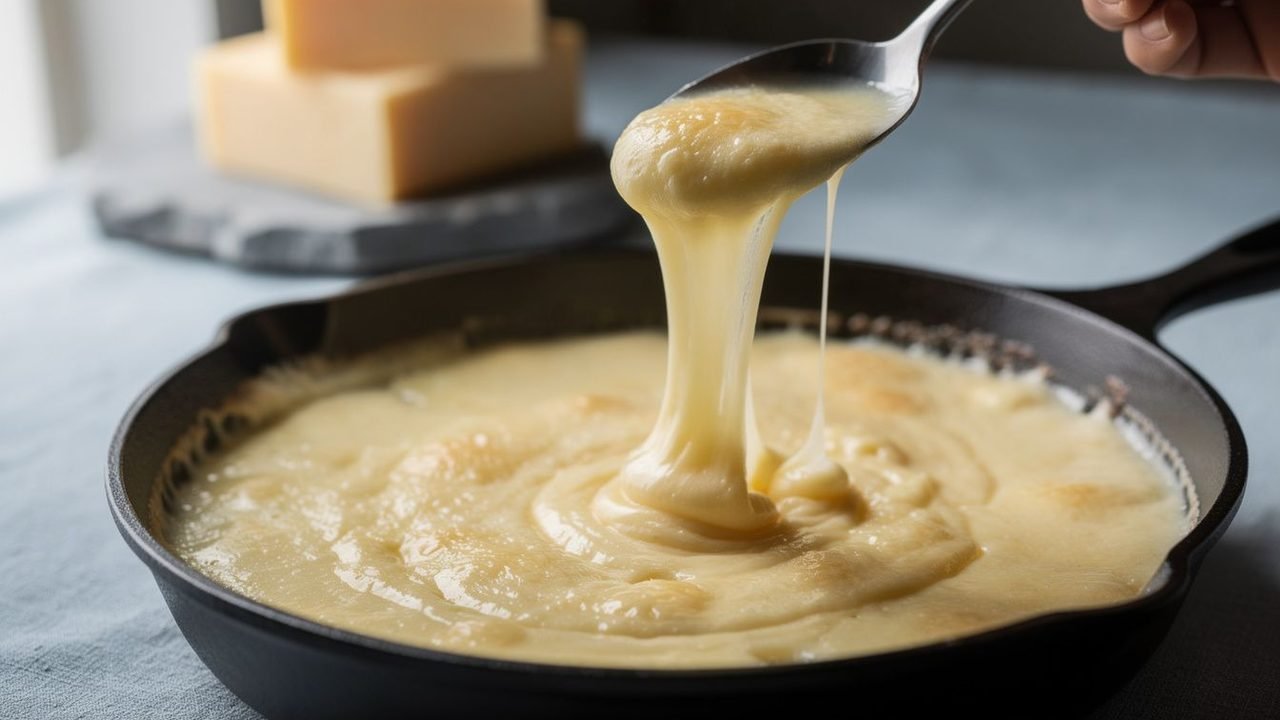
Some cheeses melt into a glossy, stretchy pool. Others sweat oil, turn grainy, or refuse to soften at all. The difference is not luck. It comes down to a handful of properties you can learn to read, and once you do, you will never end up with a greasy grilled cheese or a clumpy queso again.
What is actually happening when cheese melts
Cheese is mostly a network of milk proteins called casein, with fat and water trapped inside. When you heat it, the fat softens first, and then the protein network loosens and starts to flow. A good melting cheese lets that network relax evenly, so fat and water stay suspended in a smooth mass.
Four factors decide how well that happens.
1. Moisture
More water generally means an easier melt. Water keeps the protein strands flexible. That is why young cheeses usually melt better than aged ones. As cheese ages, it loses moisture and the proteins tighten and break down into smaller pieces that no longer stretch.
2. Age
Aging builds flavor, but it also changes structure. A very old Parmesan or aged Gouda can have crunchy protein crystals and a dry texture. Heat it on its own and the fat tends to separate out before the proteins ever get creamy. These cheeses are fantastic for flavor, but they work best grated in small amounts or blended with a better melter.
3. Acidity
Acidity plays a surprisingly big role. Cheeses in a moderate acidity range, like mozzarella, cheddar, and Gruyere, stretch and flow. Very low acidity keeps the proteins tightly bonded, while very high acidity can cause them to clump. This is also why a splash of wine in fondue or a squeeze of lemon helps certain sauces stay smooth.
4. How the cheese was made
Cheeses set with acid and heat instead of rennet, like paneer, ricotta salata, queso fresco, and halloumi, have a protein structure that holds together when heated. They soften and brown but keep their shape. That is a feature, not a flaw: it is exactly why you can grill halloumi or simmer paneer in a curry.
The all-star melters
These are the cheeses we reach for in the test kitchen when melt is the goal:
- Young cheddar: mild or medium cheddar melts smoothly with great flavor. Extra-sharp aged cheddar tastes better but can get oily, so blend it.
- Gruyere: nutty, savory, and silky. The backbone of fondue, French onion soup, and croque monsieur.
- Fontina: Italian fontina is creamy, buttery, and one of the smoothest melters around. Wonderful in pasta bakes and polenta.
- Monterey Jack: mild, high in moisture, and reliable. A top choice for quesadillas and queso.
- Low-moisture mozzarella: the classic stretchy pizza cheese. Fresh mozzarella tastes lovely but releases more water.
- Young Gouda and Havarti: both melt smoothly and add buttery richness.
- Raclette and Taleggio: made to be melted, with big aromas that mellow nicely under heat.
- American cheese: it gets a bad reputation, but it contains emulsifying salts that keep it perfectly smooth. There is a reason it sits on so many diner burgers.
Cheeses that do not melt, and how to use them
- Feta: softens and turns creamy when baked, but will not flow. Great crumbled over roasted vegetables or baked with tomatoes.
- Halloumi and paneer: made for grilling, pan-searing, and simmering in sauces.
- Queso fresco: use it as a fresh, salty topping for enchiladas and tacos.
- Aged Parmesan and Pecorino: use finely grated as a seasoning, or stir small amounts into sauces off the heat.
Tips for a smoother melt every time
- Shred it yourself. Bagged shredded cheese is coated with anti-caking starches that can make sauces dull or gritty.
- Bring it toward room temperature. Cold cheese hitting hot liquid is more likely to seize. Let shredded cheese sit for 15 minutes before adding it.
- Use gentle heat. High heat squeezes the protein network too hard and forces the fat out. Add cheese off the burner or over low heat, a handful at a time.
- Blend your cheeses. Pair a flavorful aged cheese with a smooth melter. A mix of sharp cheddar and Monterey Jack gives you both taste and texture.
- Add a stabilizer. A little starch, as in a bechamel, or a pinch of sodium citrate helps keep fat and protein together.
Quick pairings by dish
- Grilled cheese: sharp cheddar with Gruyere or fontina.
- Mac and cheese: medium cheddar, Gruyere, and a little Parmesan for depth.
- Pizza: low-moisture mozzarella, with a touch of provolone or Parmesan.
- Queso: Monterey Jack or American, with a little pepper jack for heat.
- Burgers: American, young cheddar, or Swiss.
Once you understand moisture, age, and acidity, you can look at almost any cheese and predict how it will behave in the pan. That is the kind of kitchen confidence that makes improvising fun.


